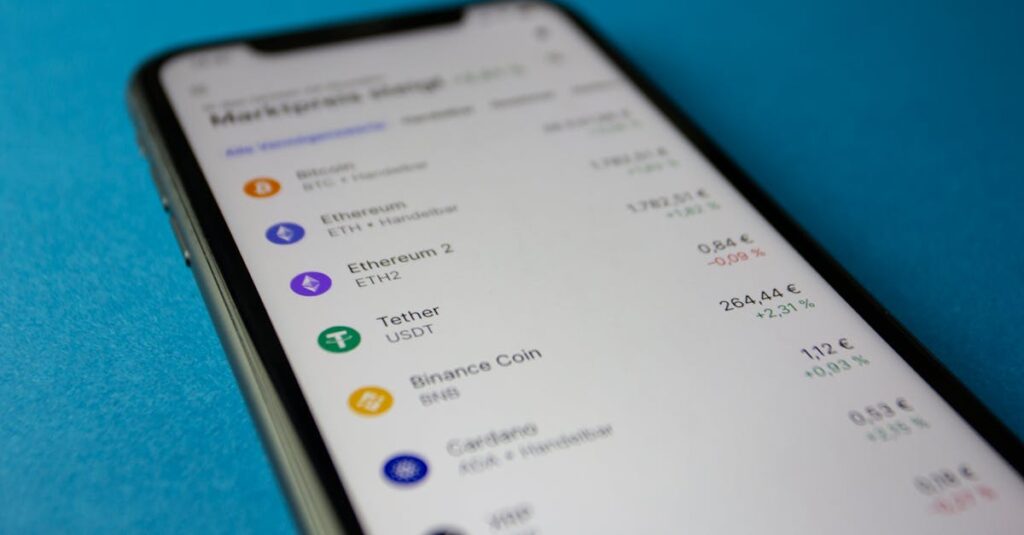
Bitcoin Retreats from Record Highs as Global Tensions and Economic Data Loom
Bitcoin’s price has pulled back toward the $70,000 level as investors adopt a more cautious stance amid rising geopolitical tensions and anticipated U.S. employment data. The leading cryptocurrency’s movement reflects broader market uncertainty, with traditional safe-haven assets gaining favor as global risks escalate.
Market Sentiment Shifts Amid Geopolitical Concerns
The cryptocurrency market is experiencing increased volatility as traders respond to escalating tensions in the Middle East. The situation involving Iran has triggered a notable rise in oil prices, creating a ripple effect across global financial markets. This geopolitical uncertainty has prompted many investors to reduce their exposure to high-risk assets, including cryptocurrencies.
The current market dynamics represent a significant shift from the euphoric sentiment that dominated crypto markets earlier this year. Previously, Bitcoin had demonstrated remarkable resilience, maintaining strong support levels despite traditional market turbulence. However, the convergence of multiple risk factors has begun to test this resilience.
Economic Data Takes Center Stage
Market participants are maintaining a defensive posture ahead of crucial U.S. labor market data. Employment figures have historically served as key indicators for Federal Reserve policy decisions, which in turn influence crypto market dynamics. The upcoming jobs report could provide critical insights into the Fed’s likely monetary policy trajectory for the remainder of 2024.
This cautious approach reflects a broader understanding that cryptocurrency markets, despite their maturation, remain sensitive to macroeconomic factors. Back in 2022, aggressive Fed rate hikes contributed to significant crypto market drawdowns, a lesson that continues to influence current trading strategies.
Market Analysis and Future Outlook
The current market environment presents a complex interplay of factors affecting Bitcoin’s price action. While the cryptocurrency has demonstrated remarkable strength in recent months, reaching new all-time highs, the present confluence of geopolitical tensions and economic uncertainty has introduced notable headwinds.
Traditional safe-haven assets have begun to attract increased attention, with gold prices rising alongside oil’s upward movement. This shift in capital flows suggests that institutional investors are temporarily reducing their crypto exposure in favor of historically stable assets during periods of heightened global tension.
The relationship between cryptocurrency markets and traditional financial metrics has grown more pronounced as institutional adoption has increased. Major financial institutions that entered the crypto space in recent years are now applying conventional risk management strategies to their digital asset holdings, contributing to the current defensive positioning.
Looking ahead, market observers will likely focus on several key factors that could influence Bitcoin’s price trajectory. These include the resolution of current geopolitical tensions, forthcoming economic data, and any signals from central banks regarding monetary policy adjustments. The cryptocurrency market’s response to these factors will provide important insights into its evolving role within the broader financial ecosystem.
The current market dynamics demonstrate the cryptocurrency sector’s increasing integration with traditional financial markets, while also highlighting its unique characteristics as a digital asset class. As global tensions persist and economic uncertainties remain, market participants will need to navigate a complex landscape where both traditional and crypto-specific factors influence price action.
This period of heightened uncertainty may test Bitcoin’s narrative as a hedge against global instability, while also providing valuable data points about the asset’s behavior during times of multiple, concurrent risk factors.
Source: Bitcoin drops toward $70,000 ahead of U.S. jobs data; oil price rises on Iran war